TrueSea Services
Products

Process Packages

Products

Process Packages

At Truesea Services, we offer comprehensive design, manufacturing, and supply of high-performance process packages for the chemical, petrochemical, petroleum, and energy industries. With a focus on innovation, quality, and reliability, our custom-engineered solutions are tailored to meet the specific requirements of each project, ensuring efficiency, safety, and operational success.

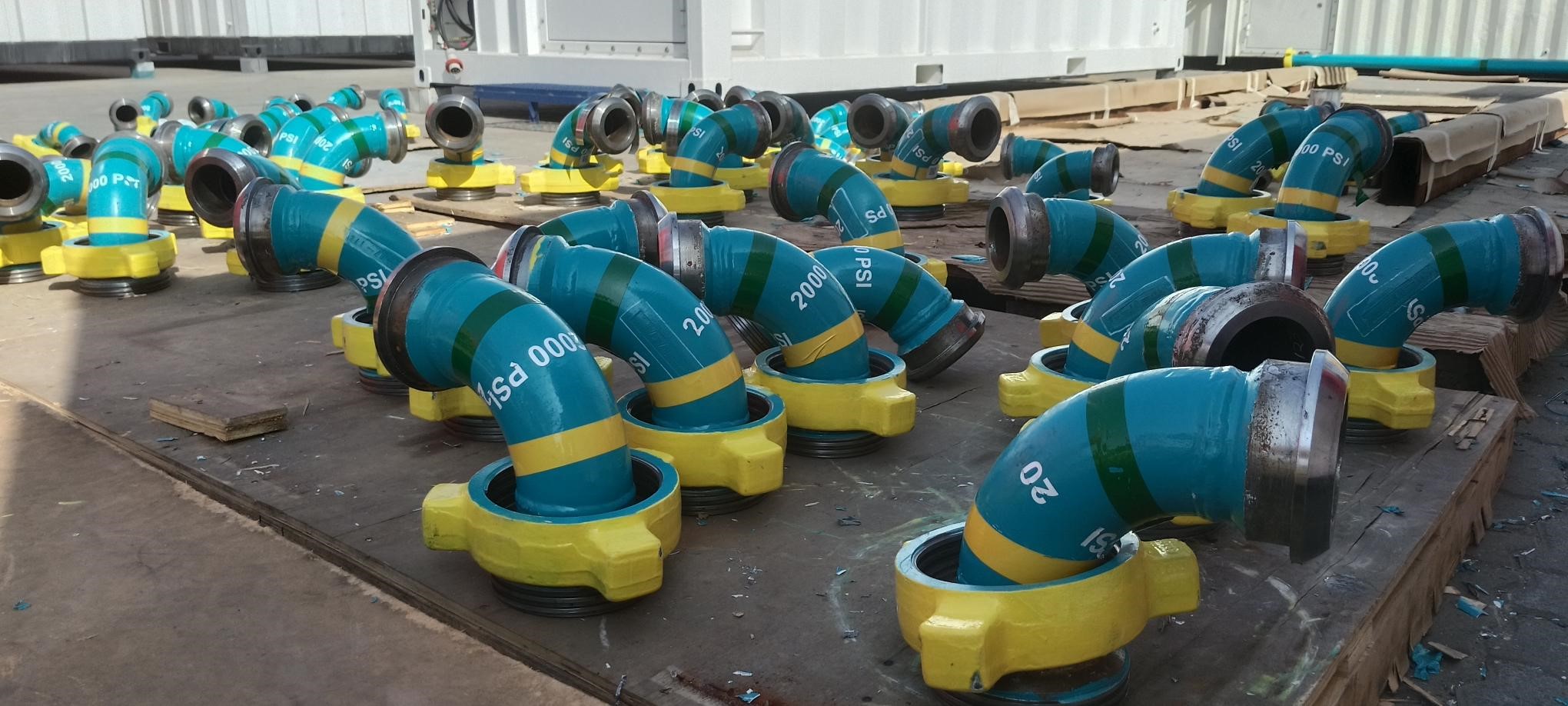
Leveraging advanced design tools and industry expertise, we deliver cost-effective and flexible process packages that are certified to meet international standards, providing our clients with the most reliable equipment solutions for their operations.

Our Process Package Solutions Include:

Each package is engineered for flexibility, operational efficiency, and compliance with industry standards, ensuring reliable performance across all operational stages.

Products

Pressure Vessel

Pressure vessels are essential components in oil refineries, designed to safely contain processes that involve high pressures, temperatures, and potentially hazardous or corrosive substances. These vessels are engineered to endure the internal pressures and harsh conditions associated with refining and processing, delivering safe, reliable, and efficient performance.

In refineries, pressure vessels are crucial for processes such as distillation, catalytic cracking, and hydrocracking, where controlled environments are necessary to facilitate chemical reactions and separate crude oil components. For instance, distillation columns, a type of pressure vessel, are used to separate crude oil into various fractions based on their boiling points, optimising the separation process.

Pressure vessels are also integral to chemical reactions under high pressure and temperature, like catalytic cracking, which breaks down heavier hydrocarbons into lighter, more valuable products. Storage tanks, which hold crude oil, intermediate products, and finished products, are another example of pressure vessels that must be designed to manage internal pressures and environmental factors.

Design and Construction:

Pressure vessels must be designed and built to withstand demanding operational conditions, including extreme temperatures and internal pressures. Their construction materials are carefully selected to resist corrosion, particularly since many refinery processes involve highly corrosive substances. Common materials include:

Our pressure vessels are manufactured with thicknesses ranging from 3 mm to 100 mm or more, depending on the specific application and pressure requirements.

Safety and Regulatory Compliance:

At Truesea, we are fully certified and compliant with the industry’s most rigorous standards, including ASME U, U2, and S certifications, as well as National Board R and NB certifications. These certifications demonstrate our commitment to ensuring the structural integrity and operational safety of our pressure vessels. Our adherence to these renowned standards is vital in preventing failures, protecting personnel, and minimising environmental risks. We also conduct regular inspections, non-destructive testing (NDT), and ongoing maintenance to guarantee the continued safety and reliability of these critical assets.

Products

Heat Exchanger

Heat exchangers are fundamental in the oil and gas industry, serving a critical function in managing thermal processes essential for optimal operation. These devices enable the transfer of heat between fluids, supporting a variety of processes that require precise temperature control, improved energy efficiency, and enhanced operational safety.

In the oil and gas sector, maintaining the right temperature is vital to ensuring the effectiveness of complex processes. Heat exchangers facilitate this by efficiently transferring heat, ensuring that fluids reach and maintain their target temperatures for maximum process performance.

One of the key benefits of heat exchangers is their ability to capture waste heat produced during processing. By redirecting this waste heat to other areas of the operation—such as preheating incoming fluids or generating steam—heat exchangers contribute to energy savings and help minimise energy consumption.

Incorporating these devices also aligns with sustainability goals by enhancing energy recovery and reducing environmental impact, making oil and gas operations more environmentally responsible.

Ultimately, heat exchangers are indispensable for a wide range of applications within the industry. From exploration and production to refining and distribution, they play an essential role in boosting energy efficiency, improving process performance, maintaining product quality, and ensuring safe operations.

Products

Knockout Drum

A Knockout Drum (KOD) plays a crucial role in the flare system, specifically designed to separate liquids and oil from flare gases. In oil and gas processing facilities, as well as petrochemical and refinery operations, the flare system is essential for safely handling and disposing of waste gases produced during industrial processes. Instead of releasing harmful hydrocarbon gases directly into the atmosphere, they are directed into the flare system, where they are burnt off in an environmentally controlled manner.

The process of flaring these gases transforms them into safer by-products, such as water vapour and carbon dioxide, which are far less harmful when released into the atmosphere. However, the relieved gases can contain moisture or oil, which, if not removed, could pose operational risks or environmental hazards. This is where the Knockout Drum comes into play.

Also known as a vapour-liquid separator, the KOD effectively separates any liquid or oil that may accompany the flare gases. By doing so, it ensures that the flare system operates safely and efficiently. Knockout drums are commonly found in petrochemical plants, oil refineries, natural gas processing facilities, and even oil and gas landfills, where they contribute to minimising the release of dangerous contaminants.

As part of the flare system, the Knockout Drum prevents water and oil from entering the flare stack and ensures that only vaporised gas is burnt off, thus maintaining both safety and environmental compliance. Whether referred to as a knockout pot, flare KO drum, or knockout vessel, the core function of these units remains the same: to enhance the flare system’s ability to safely manage gases by removing harmful liquids and oils from the process.

Products

Gauge Tank

A gauge tank is an essential device used to monitor low flow rates in oil production systems. It provides a reliable solution for calibrating metering instruments, specifically in separator oil lines, ensuring accuracy during testing processes. In situations where the flow rate is insufficient for direct transfer to burners, the gauge tank serves as a temporary storage unit, maintaining the stability of the system. This non-pressurised tank helps manage the oil until flow conditions improve, preventing disruptions and ensuring smooth operations for measuring and calibration tasks.